
 Search


On this page:
Communicating with your baby
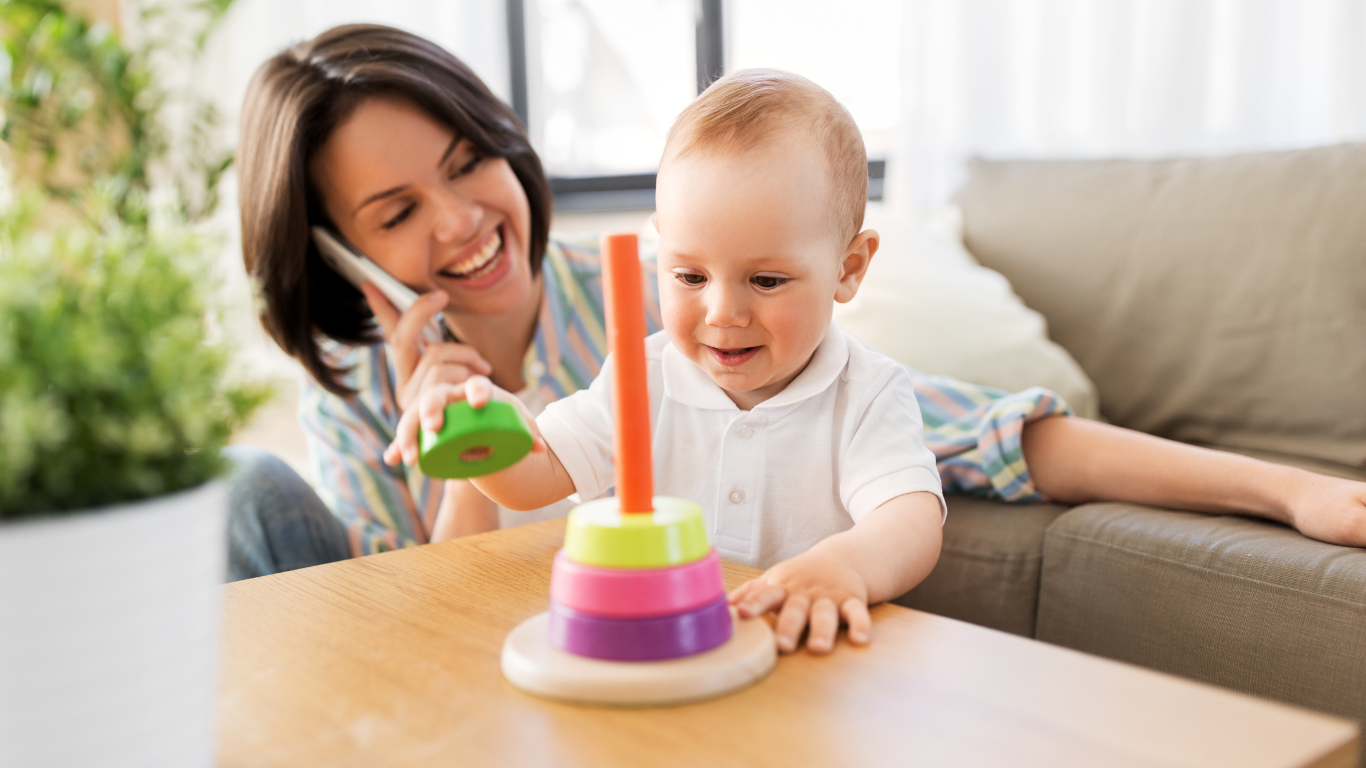
Talking and playing with your baby
The best way to help your baby's brain grow is by talking and playing with them. Your baby is always trying to learn and understand the world around them. They do this by seeing, hearing, smelling, touching, tasting and feeling.
How babies communicate
Babies communicate by:
Crying
Moving their arms and legs
Making sounds
Changing their face (smiling, frowning)
Turning their head or body
Looking at you or looking away
Watching your baby’s signs helps you understand if they are hungry, tired, want to play, or need comfort.
Try to notice:
What your baby is doing
What just happened (a feed, nappy change, playtime)
What is happening around them
This will help you understand what your baby needs.
Understanding your baby’s signs
When you respond to your baby, they learn that they are safe and understood. This helps build trust, confidence and language skills.
An example of how to communicate with your baby
Your baby might cry, arch their back or yawn. If they have already been fed and had a nappy change, this may mean they are tired. You might say,
"Oh, I see you are tired. It’s time for a sleep now."
Talking to your baby in your language and explaining what you notice will help your baby learn language and feel calm.
Talking and playing with your baby
Talking and playing are the best ways to help your baby’s brain grow. Your baby learns by seeing, hearing, touching, tasting and feeling.
Try these ideas
- Watch what your baby is interested in and try to talk about it. For example, if your baby is trying to grab a toy and they cannot, they might look a little upset. You can encourage them and say, “You can do it, try a bit more, nearly there”. When they get the toy, show that you are happy and say, “Yay, you did it” in your own language.
- Encourage them when they try to do something new
- Use your face and voice to show how you feel. This helps your baby learn words and feelings.
- Smile, talk, sing and cuddle often to make them feel safe and loved.
- Read books with your baby every day
- Copy your baby’s sounds and expressions
- Have quiet time after feeds to talk and connect
Use your home language
If your family speaks different languages, it is good to speak to your baby in those languages from birth. This helps your baby learn language and feel connected to family and culture.
Getting support
Parenting groups and playgroups can help you feel more confident with your baby. Programs like Circle of Security or baby playgroups can also help parents understand their baby’s emotions and needs.
If you or your partner are feeling overwhelmed, anxious, or unwell, it can be hard to talk and play with your baby. Help is available:
Talk to your family doctor or child and family health nurse
Ask about a mental health care plan
Use free telephone counselling services in Australia