 Search

On this page:
Looking after yourself as a parent
Caring for a baby takes a lot of time and energy. Looking after yourself is important too. When you feel well, you are better able to care for your baby.
Even 10 minutes a day of time to yourself can give you energy to care for your family. You are doing a great job
Ways to take care of yourself
Eating and drinking well
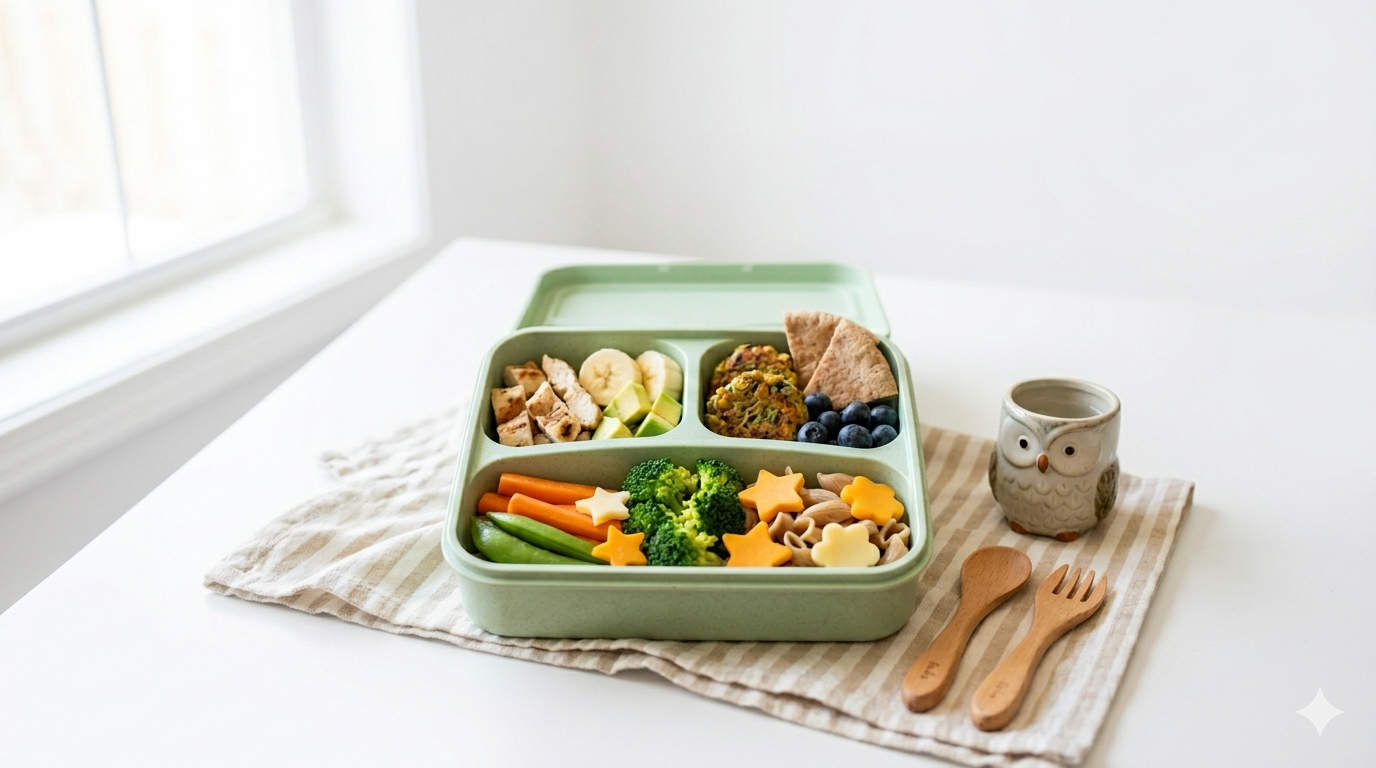
Eating meals together as a family is a great way to bond and build healthy eating habits for the future. Try to have breakfast, lunch or dinner together, especially on weekends when you have more time.
Try to eat a variety of healthy foods every day. Aim to eat 2 fruits and 5 servings of vegetables every day. Get at least 30 minutes of physical activity daily, take care of yourself and be aware of your emotions. Talk to your child and family health nurse or family doctor for support if needed. Read more about what to eat as a new parent.
Staying active
- Try to move your body for 20–30 minutes a day
- Walking, stretching, swimming or gentle exercise all count
- Being active together can be fun:
- Go for walks
- Play at the park
- Ride bikes or kick a ball
- Have a picnic
Rest and relaxation
- Rest when you can
- Do one small thing for yourself each day, such as:
- Having a quiet shower
- Watching your favourite TV show
- Deep breathing or meditation
- Reading or writing in a journal
Ask for help
It is okay to need help.
You can ask family or friends to help with chores, like washing clothes, cleaning, grocery shopping, cooking meals or gardening. If you have older children, ask for help with school drop-off and pick up.
Talk with others
- Stay in touch with family and friends
- Join parenting or breastfeeding groups
- Go to playgroups or story time at your local library
- Online parenting forums can also be helpful
Talking with others can help you feel less alone.
Looking after your relationship
Talk to your partner or close family and friends about:
going out
taking breaks and spending time alone
sharing the responsibility of caring for your baby
holidays
healthy lifestyle and exercise
balancing work and personal time.
stopping habits like smoking and misuse of drugs or alcohol
checking in on how each other is doing
household chores or tasks
work and childcare.
managing finances.
Looking after your mental health
Becoming a parent is a big change. It is common to feel tired, overwhelmed, anxious, and sad at times. These feelings can happen to mothers and fathers. Without help, these feelings might not go away and can last a long time. But with the right help, you can feel better.
After having a baby, many women feel moody, tearful, worried, and have trouble sleeping. This is called the "baby blues" and usually goes away in a few weeks after delivery.
If these feelings do not go away or seems severe, talk to your family doctor or child and family health nurse.
Signs you may need extra help
Signs of anxiety
- anxiety or fear that interrupts your thoughts and interferes with daily tasks
- feeling restless
- finding it hard to relax
- changes in how you eat or sleep
- taking a long time to fall asleep at night
- always worried about your baby and their health
- having panic attacks that are hard to control.
- having tense muscles, a tight chest and heart palpitations (or your heart is beating fast).
Signs of depression
- thinking bad things about yourself, your life or your baby
- feeling hopeless and like things will never get better
- even with rest, your thoughts and feelings remain negative
- thinking your family might be better off without you.
Signs of psychosis
- unable to sleep and eat
- feeling full of energy or restless
- unable to relax or stop moving
- feeling an intense need to get things done
- hearing voices
- feeling confused
- hallucinations
- irrational thoughts
- thoughts of harm to baby or self.
Postpartum psychosis (a severe mental illness that can cause confusion and loss of touch with reality) occurs in approximately 1 in 1000 women after the birth of their baby.
If you ever think of hurting yourself or your baby, it is important to get help right away. Call the Mental Health Line on 1800 011 511 or call 000 in an emergency.
If you already have a mental health condition, there is a high chance that you will develop depression, anxiety or psychosis after birth.
New dads can also have anxiety or depression. Everyone should check for symptoms.
Your mental health matters. It affects your baby too. Tell your doctor about any symptoms. Help and treatment make a big difference.
Free support services in Australia
You are not alone. Help is available:
Mental Health Line: 1800 011 511
PANDA (Perinatal Anxiety & Depression): 1300 726 306
Gidget Foundation Australia: 1300 851 758
ForWhen Helpline: 1300 24 23 22
Beyond blue has a simple questionnaire that you can do to help you get an idea of what your mood is like and what you can do to help you feel more like your old self.
1800RESPECT: 1800 737 732 (Domestic and family violence support)
If you are worried about your privacy, be sure that no personal details are asked for. It is anonymous (no one will know who you are). What matters is that you do the self-check, being as honest as possible.
Domestic and family violence support
Domestic and family violence is a serious health concern for everyone involved. It does not have to be physical abuse. It can be emotional, psychological, financial, sexual or other types of behaviour that exert power and control over someone. Fear is a common theme of living with domestic or family violence.
Call 1800RESPECT (1800 737 732) for free to connect with the National Sexual Assault, Domestic and Family Violence Counselling Service.
Anger management and violence change programs
You may recognise that you are the person struggling with managing your anger and see that you are the offender of abuse or violence. There are specialist services to help you achieve the change you and your family need:
Men’s Referral Service – call 1300 766 491