

 Search


At 6 months, your baby should get their next health check from your child health nurse or family doctor.
Development
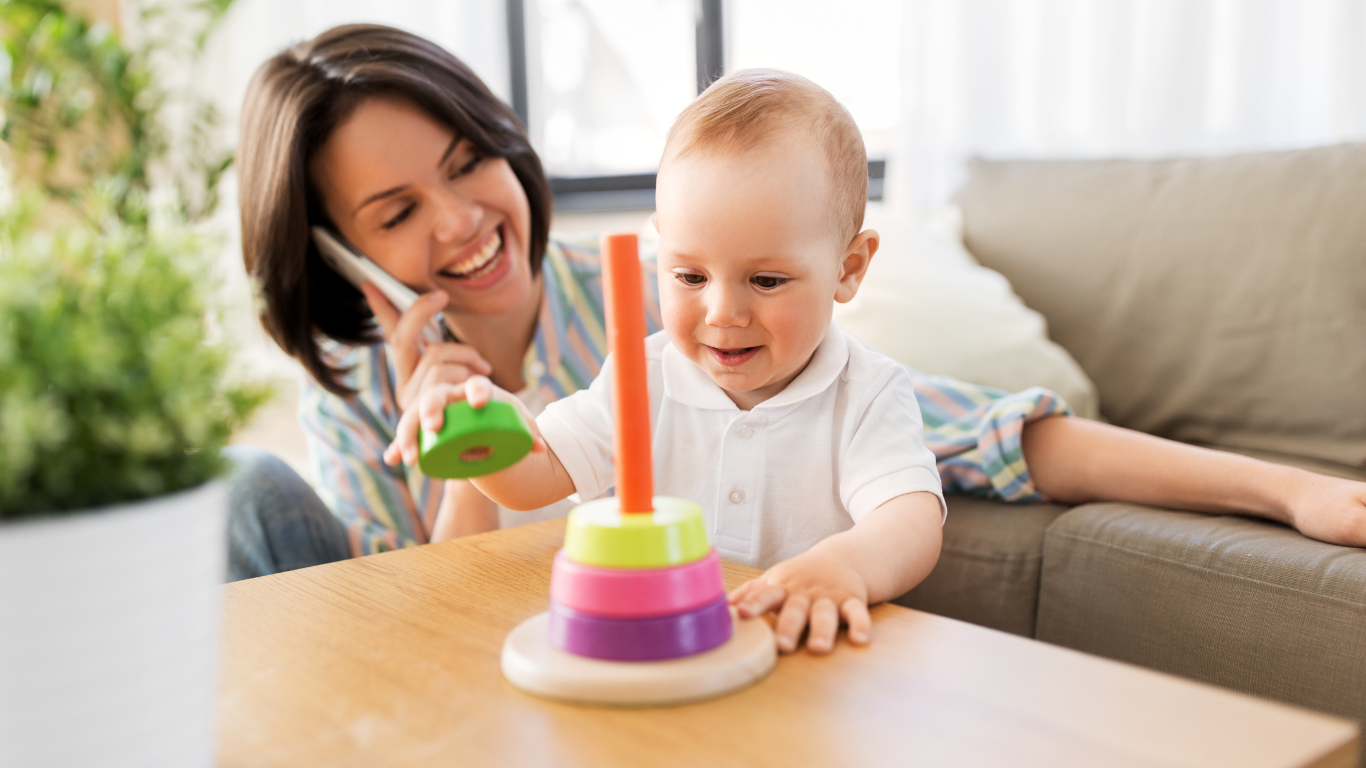
Around 4 to 6 months, most babies are learning new things:
- rolling over from their back to their tummy and tummy to their back
- making cute babbling sounds, giggles, or squeals
- moving and reacting to music and rhythmic sounds
- grabbing, holding and feeling things
- putting toys, fingers or objects into their mouth to feel and learn about them
- watching and listening to moving objects that make sounds
- enjoying games like peek-a-boo with you
- trying to sit up with some support
- grabbing their feet and even chewing on their toes.
You can help your baby learn and develop by responding to them during play.
Read this list of ways to keep your baby safe as they start moving around more.
Growth
Babies 4 to 6 months, on average, gain 100g to 150g per week. Ask your child health nurse or family doctor to record the head circumference, length and weight on their growth charts.
More information
Last updated: 20 Jul, 2026 - 02:33