 Search

On this page:
Food safety and choking prevention
As your baby learns to eat solid foods, they are also learning how to chew and swallow. This is a normal part of development, but it is important to feed your baby safely to reduce the risk of choking.
Gagging and choking : what’s the difference?
Gagging (normal and common)
Gagging helps protect your baby from choking. It is a normal part of learning to eat.
Gagging may look like:
- Coughing
- Making vomiting sounds
- Sometimes vomiting
Gagging can happen when:
- Food, fingers or a spoon touches the back of the mouth
- Your baby starts lumpy foods or finger foods
The gag reflex becomes less as your baby gets older (around 6 months). Some babies gag more than others this is normal.
What to do if your baby gags
- Stay calm
- Remove the food if needed
- Comfort your baby
- Let them try again when ready
Letting your baby feed themselves and use their hands or a baby spoon can help them gag less over time.
Choking (serious and needs quick action)
Choking is not the same as gagging.
- Choking is silent
- Your baby may not be able to breathe
- Choking happens when something blocks your baby's airway and they can not breathe. Choking needs quick action.
How to feed your baby safely
Always:
Watch your baby while they eat
Put your baby upright in a highchair with a harness or strap when feeding them
Do not let your baby eat while crawling, walking or playing
Test the temperature of food before feeding
Stay with your baby until they finish eating
Parents and carers should learn baby first aid and choking first aid. For more information, look at pictures showing what to do if babies under 12 months are choking.
Foods to avoid before 12 months
Do not give:
Honey (can cause botulism)
Raw or undercooked eggs
Foods made with raw eggs (like homemade mayonnaise)
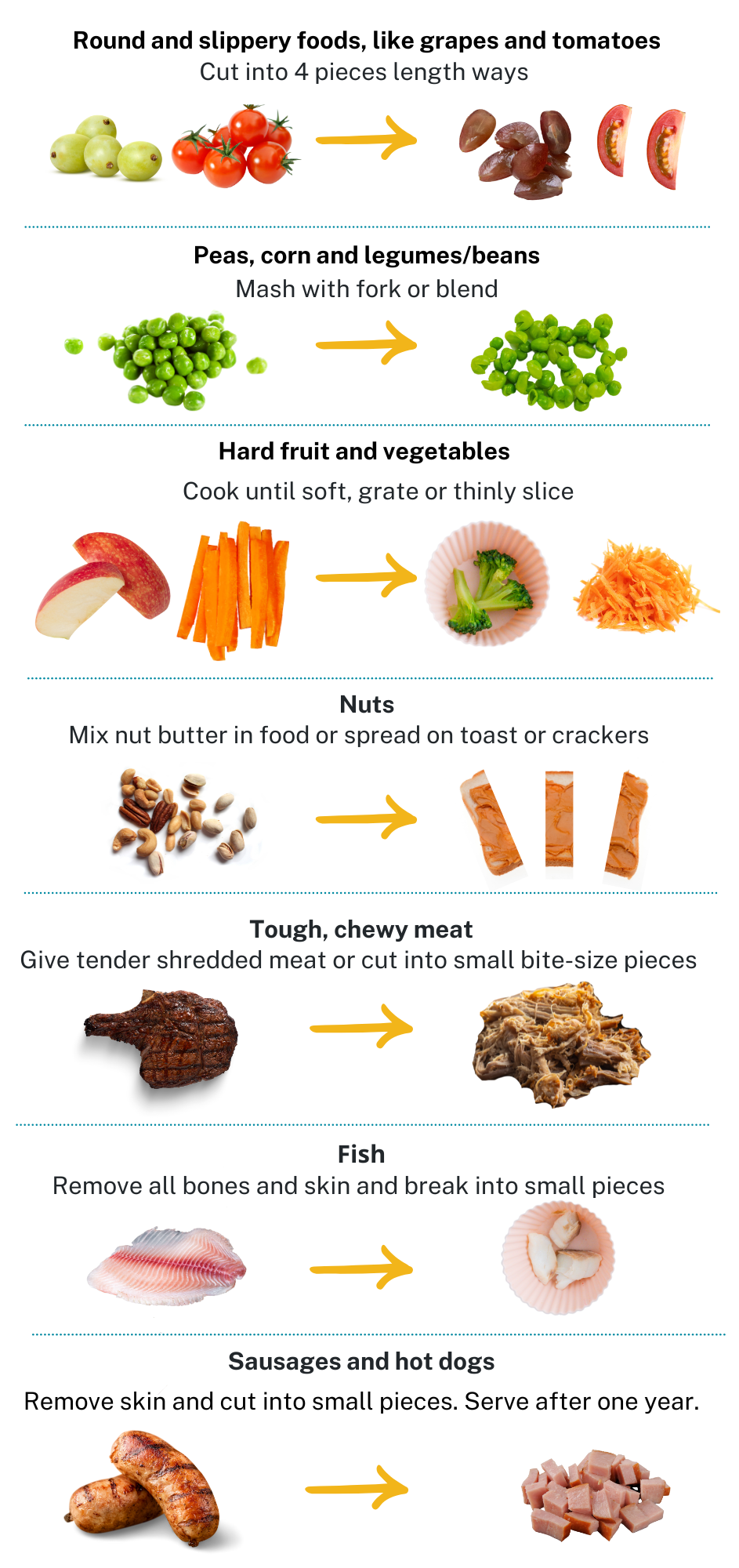
Foods that can cause choking (and how to make them safer)
Some foods are more likely to cause choking. You can still offer many of these foods if you prepare them safely.
High-risk foods include:
Small hard foods (nuts, popcorn, raw carrot, apple)
Small slippery foods (whole grapes, cherry tomatoes)
Fruits with seeds or stones (cherries, apricots, nectarines)
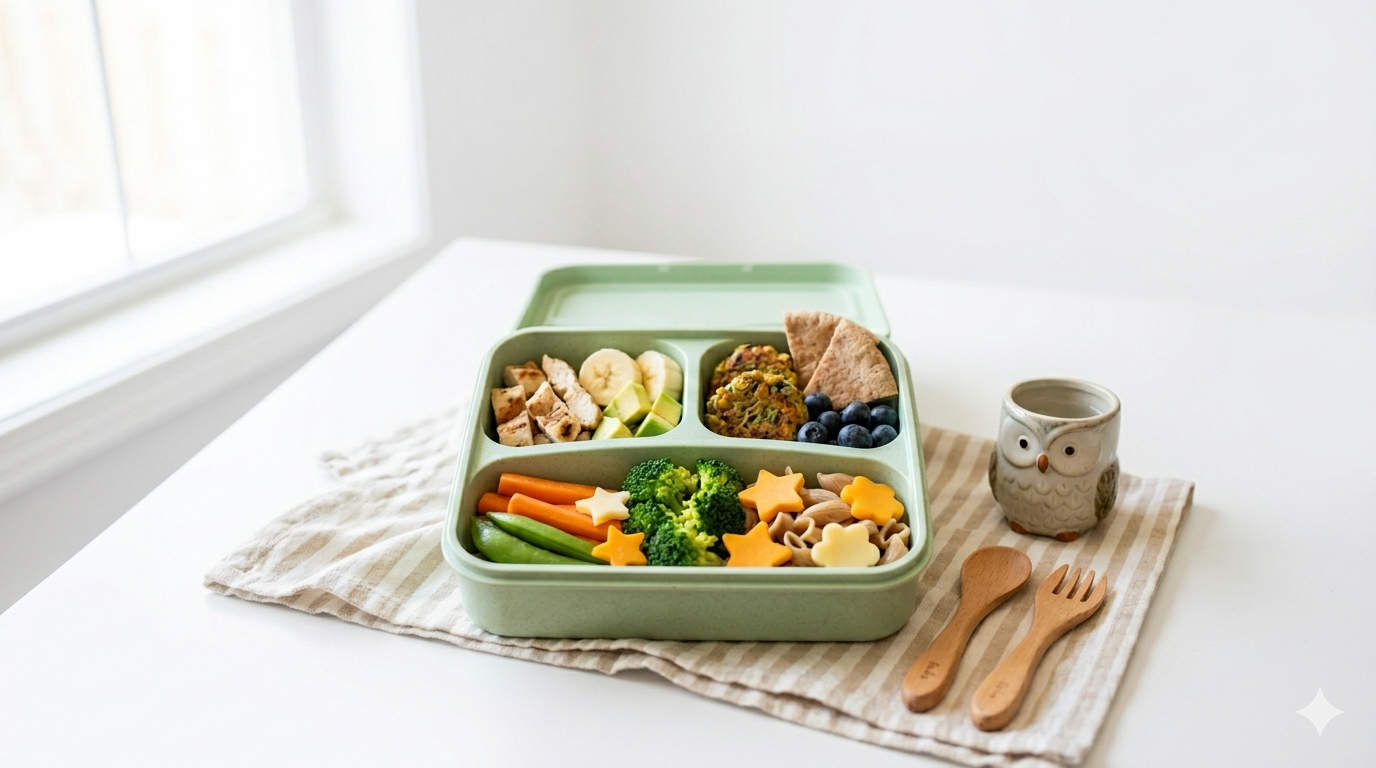
Make them safer by:
Cooking until soft
Grating or mashing hard fruits and vegetables
Cutting small round foods into long strips
Removing seeds and stones
Crushing or spreading nuts as nut butter (not whole nuts)
Remember
Gagging is normal and part of learning to eat
Choking is serious and needs fast action
Always watch your baby while eating
Safe food preparation makes a big difference
If you are unsure or worried, talk to your child and family health nurse or family doctor.