 Search

Eating for a healthy baby
Healthy eating keeps you feeling good and gives your baby all the nutrients they need.
What and how much should I eat?
During the first 3 months of your pregnancy, you do not need to eat more food than you did before you were pregnant.
After the first 3 months you may need to eat a little more food. For example, one extra piece of fruit each day, a boiled egg, a serving of vegetables, or extra tofu, chicken slices or tuna.
The amount of food you need will depend on your weight before pregnancy and how much activity you do.
Tips for you
- Try to eat different kinds of foods from the 5 major food groups every day (vegetables, fruits, breads and cereals, meat or alternatives and dairy).
- Eat wholegrain and high fiber bread and cereals, such as wholemeal bread and brown rice.
- Drink alot of water.
- Do not drink alcohol.
- Do not eat alot of foods that have saturated fat, added salt and added sugars. For example, chips, cakes, desserts and soft drinks.
Cultural foods
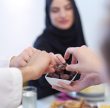
Including your cultural food and traditions can bring joy to your pregnancy. You can enjoy traditional foods in your diet, if they are safe to eat.
Talk to your child and family health nurse or family doctor for advice on foods that are safe to have during your pregnancy. Share your cultural practices and preferences with your family doctor so that they can give you culturally sensitive advice specific for you
Foods to avoid during the pregnancy
Some foods are not safe to eat during pregnancy. When pregnant, your immune system is lower. This makes it harder to fight off sickness from germs in some foods.
Foods to avoid:
Do not eat:
- Milk and dairy products that are not pasteurised
- Soft cheeses like brie, camembert, ricotta, feta, and blue cheese
- Deli meats like turkey, ham, and prosciutto
- Smoked fish (unless cooked to 74°C/165°F)
- Raw and undercooked eggs
- Any other unpasteurised products
- Raw fish, shellfish, and oysters
- Eggs that are not kept in the refrigerator
- Foods with tahini or sesame paste (e.g. hummus)
- Store-bought salads and sandwiches
Tips for eating fish during pregnancy:
- You can eat fish one to three times a week
- Avoid large fish, like shark, marlin and swordfish. They are high in mercury. Mercury can hurt your baby's brain and nerves while they grow.
Constipation
- High fiber diet and drinking a lot of water can help with constipation:
- Eat whole grain cereals, fruits, vegetables, and legumes
Even though fruits and vegetables are healthy for pregnant women, it is best to not eat pre-cut or pre-packaged ones because they might have bacteria.
Pregnant and breastfeeding women should not drink alcohol because it can harm the baby. It is safest not to drink any alcohol during this time.