 Search

Allergy causing foods
Around 6 months, start feeding your baby foods that might cause allergies. This lowers their risk of getting food allergies later.
Common allergy causing foods:
- Egg
- Peanuts
- Cow’s milk (including all dairy foods such as yoghurt or cheese)
- Tree nuts (such as almonds and cashews)
- Soy
- Sesame
- Wheat
- Fish and other seafood.
Give your baby one new food at a time. Keep giving your baby the food 2 times per week for 5 years.
Stop any foods that cause an allergic reaction and see your family doctor.
Tips on how to introduce common allergy foods
- Start with smooth peanut butter or well-cooked egg yolk.
- Mix a small amount (1/4 of a baby spoon) into foods your baby already eats. For example, mix a small amount of smooth peanut butter into infant cereal or vegetable puree.
- Give your baby the new food in the morning or after they have had a sleep, so you can watch if your baby has a reaction.
- If your baby does not have any allergic reactions, slowly increase the amount over the next few days (for example, 1/2 teaspoon at a time).
- Never rub food on a baby’s skin, especially if they have eczema. This can increase their risk of getting a food allergy.
- It is important to give common allergy causing foods to babies who have eczema or a family member with a food allergies.
- If you are nervous about introducing common allergy foods, you can rub a small amount of the food on the inside of your baby’s lip as a starting point. If there is no reaction after a few minutes, you can start giving small amounts of the food.
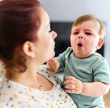
Is your baby having an allergic reaction?
Allergic reactions usually appear within minutes but they can take up to 2 hours and can range from mild to severe.
Symptoms of a mild to moderate allergic reaction to food
- Hives or welts
- Vomiting
- Swelling of the lips, face, eyes
Symptoms of severe allergic reaction (anaphylaxis)
- Difficult or noisy breathing
- Swelling of the tongue
- Swelling in throat (e.g. drooling or difficulty swallowing)
- Change in voice or cry and/or difficulty vocalising
- Wheeze or cough a lot
- Pale and floppy or collapse
Stop feeding your baby the food at the first sign of a reaction
If the reaction is mild, stay with your baby and monitor their symptoms. Take photos or a video of your child’s symptoms, and book an appointment with your family doctor or Child and Family Health Nurse.
If you think your baby is having a severe reaction, call triple zero — 000 (Australia)
For further information, visit the Nip allergies in the Bub website.
The National Allergy Council’s Nip Allergies in the Bub website contains practical information about how to introduce the common allergy causing foods to your baby.